

The feminist movement’s absence from the battle lines in Kiev is especially conspicuous when compared to the resurgence of Russia’s Pussy Riot.

The feminist movement’s absence from the battle lines in Kiev is especially conspicuous when compared to the resurgence of Russia’s Pussy Riot.
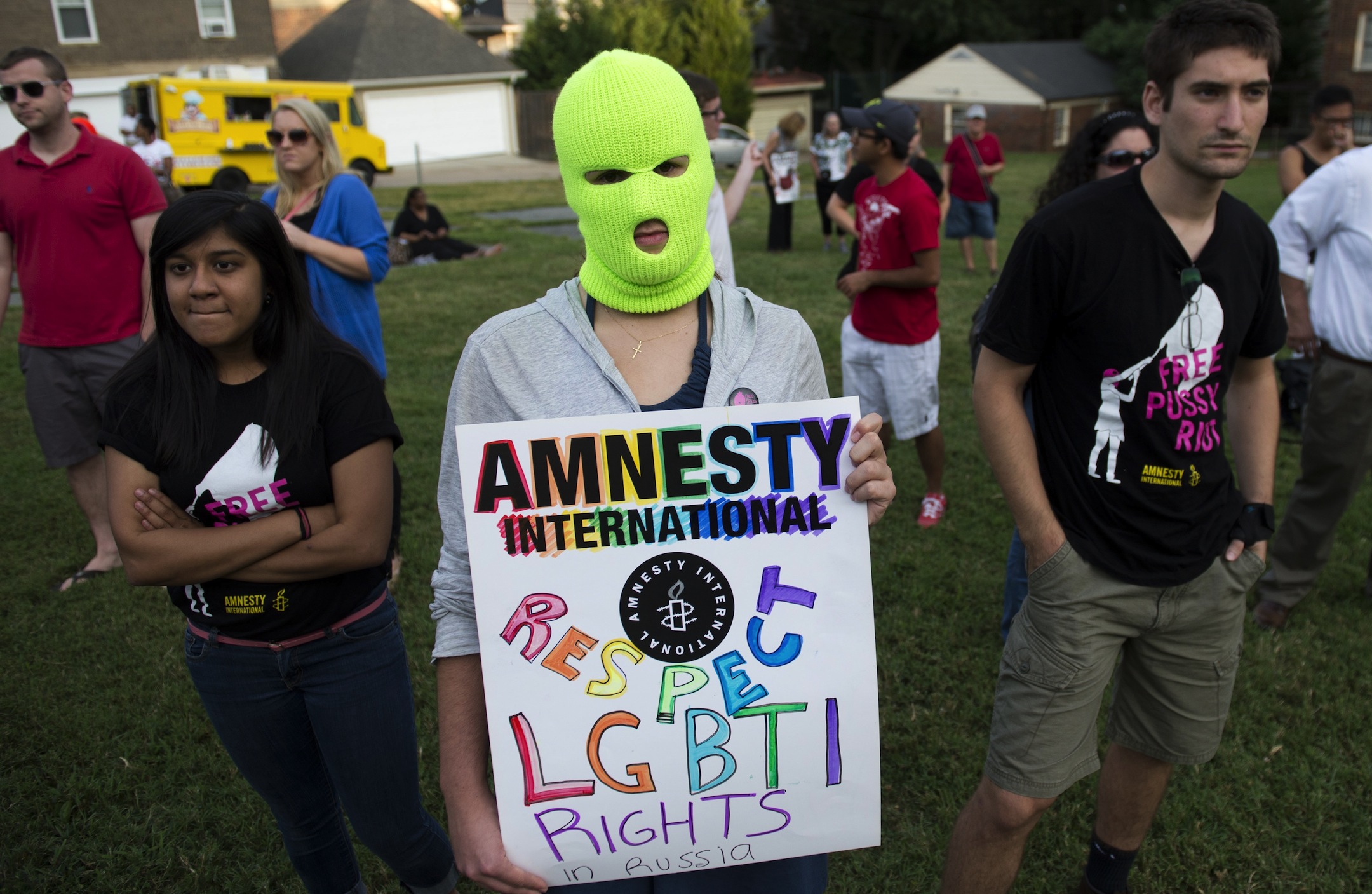
Look for Pussy Riot to make the most of its American appearance as the group campaigns for human rights — and take a few jabs at Putin while they’re at it.

It’s hard to find a figure less sympathetic — and more antithetical to Femen’s platform — than founder Victor Svyatski, who called group members “bitches” and “weak.”

Femen’s involvement has propelled Sboui’s rebellion into a cause célèbre. Along the way, the narrative of Tunisian women’s rights has been overshadowed.
Their first performance in nearly a year blends provocation, potent symbolism (i.e., masked band members striking at an oil main with a sledgehammer), at times obscure references, and, of course, fluorescent balaclavas.

France’s decision to grant asylum to a leading FEMEN activist from Ukraine should serve as a reminder that legal drama involving the radical feminist group is not limited to Tunisia and other Muslim countries.
That the group’s “punk prayer” paved the way for a crackdown on religious freedom speaks to Putin’s insularity: since returning to the presidency in 2012, the strongman has prioritized domestic politics over diplomacy.
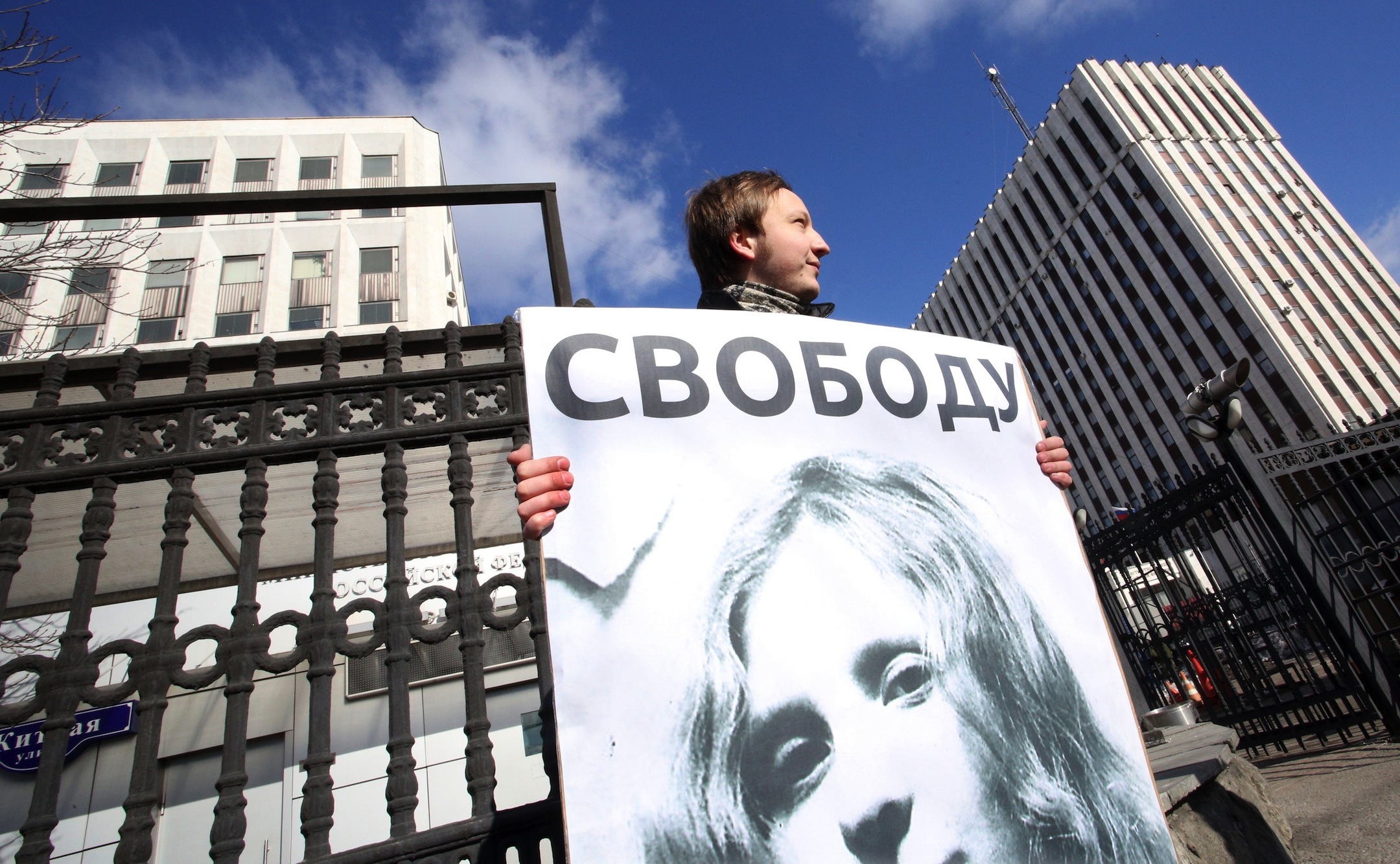
If imprisoned Pussy Riot member Maria Alyokhina’s bid is in earnest, her timing couldn’t be worse.
Though Russia’s crackdown on dissent continues a year later, Pussy Riot’s “punk prayer” may not have been in vain.

Gays, along with other minority groups and political dissidents, have recently been targeted and scapegoated in Russia for perceived challenges to “traditional Russian values.”