

So far from alleviating tensions as intended, last month’s snap ballot has created deadlock in Pristina.

So far from alleviating tensions as intended, last month’s snap ballot has created deadlock in Pristina.

The region, long under Belgrade’s de facto control, has resisted integration into predominantly Albanian Kosovo – one of the principal tenets of an E.U.-brokered rapprochement deal signed in 2013 between Serbia and its historic rival, Kosovo.
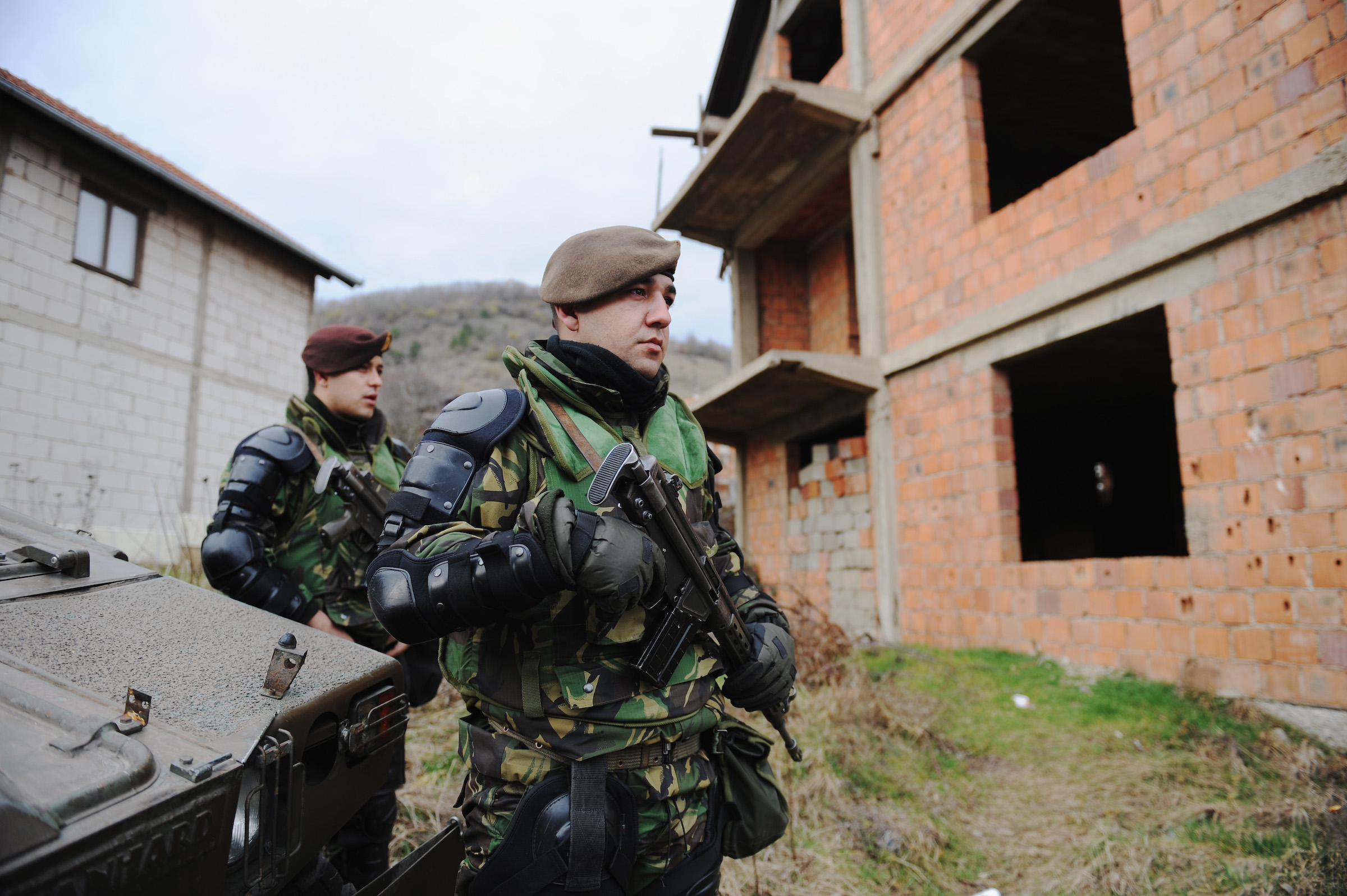
Pristina – and Brussels – will be paying particular attention to whether Kosovo’s ethnic Serbs turn out to the ballot boxes.

The news will be welcomed by much of the international community, namely the European Union and the United States, both of which pressured Pristina to create such a tribunal.

At play here may be a ripple effect as Eastern Europe cautiously watches events unfold in Crimea and old turf wars resurface.
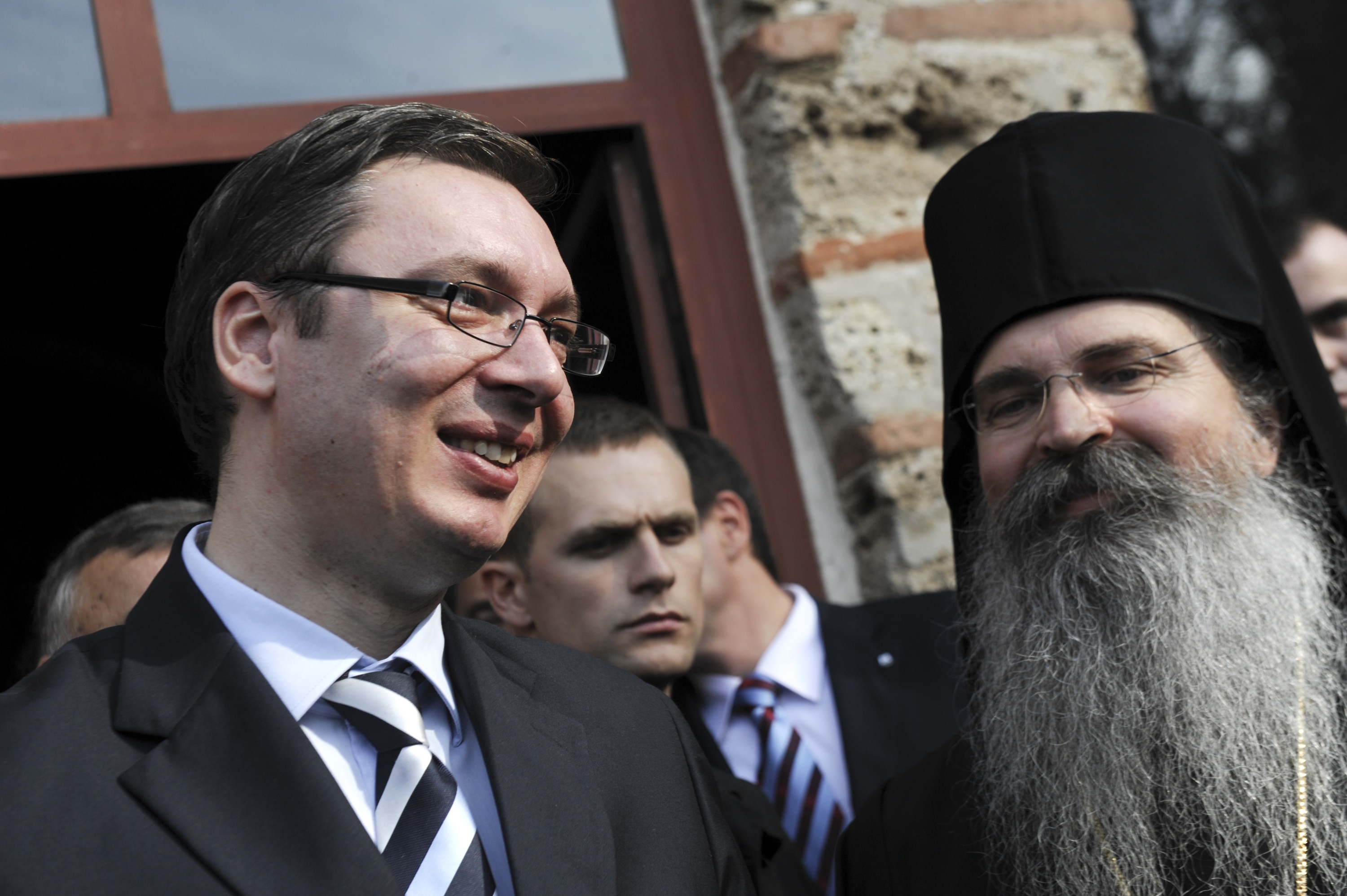
The former ally of Slobodan Milosevic has found a way to put on a good face to the West, including the European Union, while simultaneously maintaining the adoration of the right.
Ending the accord now would deal a heavy blow to Kosovo’s upcoming municipal elections.


