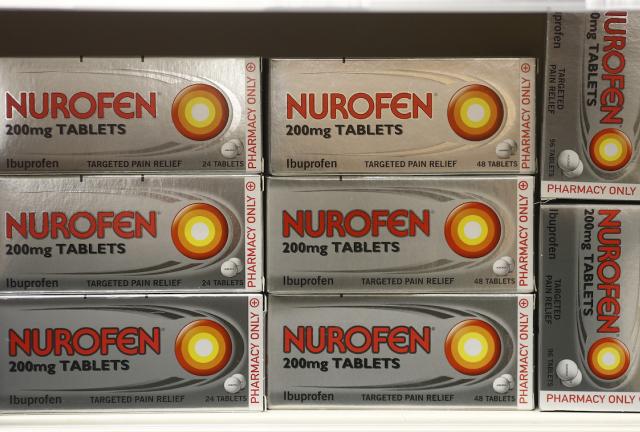
Antidepressants, especially selective serotonin reuptake inhibitors, and NSAIDs are each thought to increase the risk of abnormal bleeding. According to the results of a meta-analysis in 2008, the odds ratio of upper gastrointestinal haemorrhage was 2.36 (95% confidence interval 1.44 to 3.85) for selective serotonin reuptake inhibitors alone and 6.33 (3.40 to 11.82) with concomitant NSAIDs, although controversy exists about whether the risk of gastrointestinal bleeding increases when they are prescribed together, compared with their use alone.
Unlike for gastrointestinal bleeding, neither selective serotonin reuptake inhibitors nor NSAIDs alone have been found to be associated with an increased risk of intracranial haemorrhage. However, little is known about the risk of intracranial haemorrhage associated with the combined use of antidepressants and NSAIDs. We sought to estimate the risk of intracranial haemorrhage among patients who were treated with both antidepressants and NSAIDs, compared with the risk among those treated with antidepressants without NSAIDs.
Last Thursday, the U.S. Food and Drug Administration strengthened the warning labels on some NSAIDs, emphasizing that the drugs can raise the risk of heart attack and stroke.
As far as the new link to brain bleeding in antidepressant users, experts stressed that many questions remain unanswered.
And even if the drug combination does elevate the odds, the risk to any one person appears low.
"The incidence of intracranial hemorrhage in people taking antidepressants and NSAIDs was only 5.7 per 1,000 in a year. So about 0.5 percent of people taking these drugs will develop a (hemorrhage) over one year," said Dr. Jill Morrison, a professor of general practice at the University of Glasgow in Scotland.
Still, she said, it's wise for people on antidepressants to be careful about using NSAIDs.
Both types of drug are widely used, and about two-thirds of people with major depression complain of chronic pain, the researchers pointed out.
Make sure an NSAID is the appropriate remedy for what ails you, said Morrison, co-author of an editorial published with the study.